
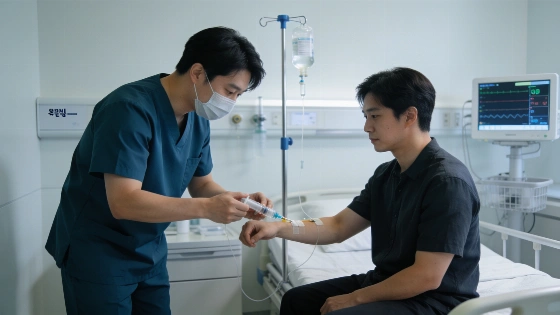
GC Cell has moved fast. On October 7, 2026, the company gave the first dose in its Phase 1b trial of GCC2005, a fourth-generation allogeneic CAR-NK cell therapy that targets CD5. This is not a small step. The company is pushing to change how relapsed or refractory NK/T-cell lymphoma is treated. Right now, patients with this disease have few good options.
GC Cell plans to conduct the Phase 1b trial at up to six clinical sites across South Korea to accelerate enrollment and determine the recommended dose for Phase 2 studies.
The trial is focused on refining the dosing plan and building a strong safety and efficacy record. GC Cell is not slowing down. The company will run the trial at up to six major hospitals in South Korea. The aim is to set a recommended Phase 2 dose (RP2D) for a future global trial. The need is urgent. Standard CHOP chemotherapy has not worked well for decades. Second-line treatments are still limited and only help certain subtypes.
Fourth-generation CAR-NK platform targets CD5
GCC2005 is a fourth-generation allogeneic CAR-NK cell therapy. It targets CD5, a marker found mostly in T-cell lymphomas. This therapy uses donor cells, not the patient’s own. It also co-expresses interleukin-15 (IL-15) to help immune cells last longer in the body. The trial is for patients with NK- and T-cell lymphomas who have relapsed after standard treatments or did not respond, as covered by Chosun Biz. GC Cell wants to deliver a first-in-class therapy. Not just another small step.
Earlier Phase 1a data showed a complete remission lasting over 18 months after a low dose. These results were shared at the American Society of Hematology (ASH) annual meeting and the International Congress on Blood and Marrow Transplantation (ICBMT 2026). The data is early. The patients were heavily pretreated and had few options left.
Clinical expansion and future directions
Following completion of Phase 1b, GC Cell intends to advance GCC2005 into an international multicenter Phase 2 trial (MRCT) as part of its global development strategy, though this plan is not yet an approved regulatory pathway.
GC Cell’s parent, GC Biopharma, is getting more attention as the group’s cell and gene therapy pipeline grows. The company is focused on gathering the data needed for a registrational trial. It is working with top hospitals in South Korea. This fits the wider push in engineered cell therapies, as seen in other recent CAR-based therapy efforts.
GC Cell CEO Won Sung-yong says the company will move quickly through Phase 1b and get ready for a global registrational study. The company is investing in clinical infrastructure and aiming for a first-in-class spot in T-cell lymphoma. It is a bold move. If the data stays strong, GC Cell could become a real challenger in a field where progress has been slow and patient need is high.