Single CRISPR infusion cuts stubborn LDL cholesterol for a year
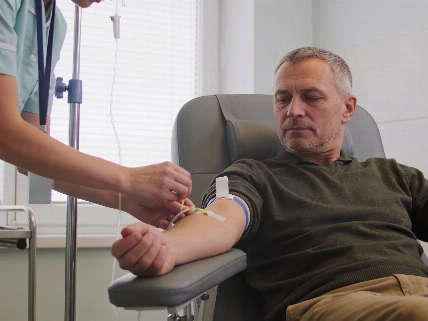
A single dose of CTX310, a CRISPR-Cas9 therapy, dropped LDL cholesterol by more than half in patients who did not respond to standard drugs. The effect lasted at least a year.
A single dose of CTX310, a CRISPR-Cas9 therapy, dropped LDL cholesterol by more than half in patients who did not respond to standard drugs. The effect lasted at least a year.
City of Hope's PANXEON liquid biopsy shows 87 percent sensitivity for early pancreatic cancer. Now, tough regulatory and reimbursement questions could decide if it ever reaches patients.
Phase III clinical trials now generate 5.9 million data points per protocol on average, with data volumes rising 11 percent annually since 2020 and operational models straining to keep pace.
A new five million dollar grant from the Australian Government will bring international CAR-T clinical trials for childhood cancer to Australia, reducing the need for families to seek treatment overseas.
BriaCell Therapeutics is moving forward with off-the-shelf whole cell immunotherapies for late-stage cancers, with pivotal trials underway and new FDA clearance for prostate cancer.
A failed Phase 3 trial does not always mean a drug is ineffective. Luca Pani of NetraMark argues that AI-driven patient selection could transform how clinical evidence is generated and interpreted.
AbbVie is betting on a multimodal approach in lung cancer by combining bispecific antibodies with antibody-drug conjugates, aiming to overcome resistance and improve patient outcomes as new clinical data emerges.
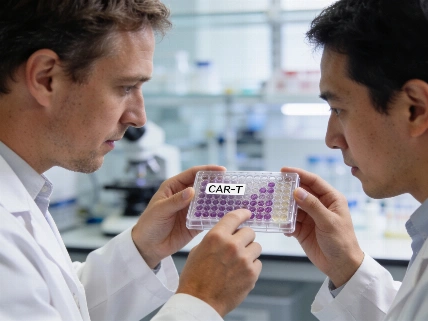
CAR-T therapy offers a lifeline for patients with relapsed blood cancers, but the real challenge is getting the treatment before time and logistics run out.
Latus Bio has named Donald Hayden as chairman and Michael MacLean as independent director, strengthening its board as the company prepares to start clinical trials for gene therapies targeting CLN2 disease and Huntington’s disease.
Bristol Myers Squibb reports that its phase II QUINTESSENTIAL trial of arlocabtagene autoleucel met the main goal in adults with relapsed and refractory multiple myeloma.
Many cell and gene therapies remain out of reach for patients long after FDA approval. The real barriers are built years earlier, in the choices made around manufacturing, trial design, and regulatory strategy.
Bristol Myers Squibb has stopped work on ORM-6151, a degrader-antibody conjugate from Orum Therapeutics, after reviewing Phase I trial data.
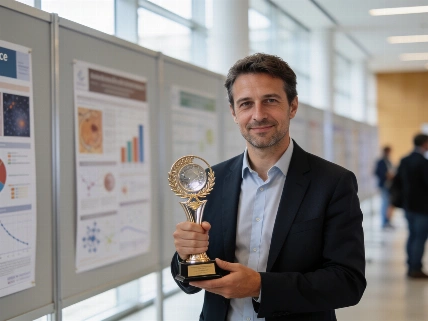
Andrew Dauber, chief of Endocrinology at Children’s National, received the ESPE International Research Award in Marseille for his work on genetic growth disorders and precision medicine.
Adam Nicolson became the first person in Scotland to receive CAR-T cell therapy for myeloma after exhausting all other options. Now in remission, his case is driving new research into the therapy’s potential for autoimmune diseases.
A surge of more than 180 companies is driving over 200 CAR-T therapies through the clinical pipeline, with new strategies aiming to overcome resistance and expand beyond cancer.
Bristol Myers Squibb has stopped development of Orum Therapeutics' CD33-targeted AML drug, erasing USD 80 million in milestone payments and leaving only one approved agent in the clinical-stage DAC field.
A single in vivo CAR-T injection shows early promise for multiple sclerosis, while new research connects ADHD to digestive issues and looks at how wholegrain diets affect heart risk factors.
Arovella Therapeutics has received FDA clearance to begin Phase 1 clinical testing of its allogeneic cell therapy ALA-101 targeting CD19-positive blood cancers.
Certara is betting that catching data standard problems at the source can save clinical trial sponsors months of costly remediation and regulatory headaches.