
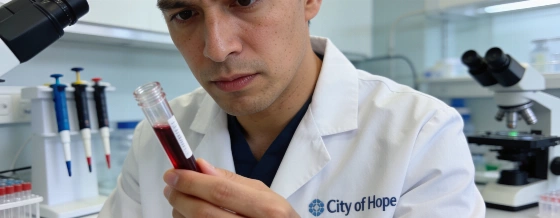
City of Hope’s PANXEON liquid biopsy has posted numbers that pancreatic cancer researchers have chased for years. The test hit 87 percent sensitivity for stage 1 and 2 pancreatic ductal adenocarcinoma, with a 3 percent false-positive rate in low-risk groups. For a cancer where most cases are caught late and five-year survival is just 13 percent, these results could change the game.
PANXEON combines three biomarkers—circulating microRNAs, exosomal microRNAs, and CA19-9—using an AI model to generate a single risk score for pancreatic cancer detection.
The real challenge for PANXEON is not in the lab. It is in the regulatory and reimbursement maze, where even strong data can become a stumbling block instead of a fast track.
Look closer at the numbers and the complications show up. The 87 percent sensitivity covers both stage 1 and 2, but the false-positive rate jumps to 16 percent in high-risk groups. That is a big jump. In screening programs for high-risk people—first-degree relatives, those with germline variants, or new-onset diabetes—a 16 percent false-positive rate means more follow-up scans, more patient worry, and a spike in costly endoscopic ultrasounds. Medicare’s average direct medical cost for pancreatic cancer treatment is $65,500 per patient. Even a small number of unnecessary procedures can throw payer cost models off balance. Insurers will want to see those numbers before they agree to cover the test.
Independent coverage has highlighted that PANXEON’s strongest results are for early-stage disease, but also cautions that the test remains research-stage and will require further work before it can be considered for general screening use.
This is the trap that keeps catching liquid biopsy developers. Great data does not mean faster approval. Sometimes, it makes things harder. The FDA’s companion diagnostic rules, set out in its June 2023 guidance, are built for tests tied to specific drugs. PANXEON is a standalone screening tool. It cannot ride along with a drug trial. It has to prove clinical validity and utility on its own. That means a prospective study with endpoints set through De Novo or PMA review. There are no shortcuts. The CellSearch CTC platform spent years in this kind of regulatory limbo, forced to show not just technical accuracy but real-world impact on care and outcomes. PANXEON faces the same challenge, but with even higher stakes. Screening people with no symptoms for a cancer with a 13 percent survival rate is a much tougher risk-benefit call than tracking advanced disease.
PANXEON’s sponsors have little room for error. First, they must lock in risk stratification before enrolling patients. The 3 percent versus 16 percent false-positive rates across risk groups will force subgroup-specific labeling unless the trial is big enough to support a single claim. Second, global ambitions mean they need harmonized regulatory filings from the start. The EMA’s IVDR rules are very different from the FDA’s. Trying to adapt a US-focused submission later can cost a year or more. Third, the clinical utility endpoint cannot just be time-to-surgery. The FDA wants proof that PANXEON changes the stage at diagnosis across the population. That means a comparator arm and pre-set analysis against historical registry data. Trials will need adaptive designs, interim looks, and tight control of Type I error.
PANXEON’s data is what the field has waited for. But the road from promising biomarker to FDA-cleared, CMS-reimbursed screening test is full of failed platforms that could not clear regulatory and payer barriers. The sponsors who make it will be the ones who treat regulatory strategy as a core part of trial design and define their intended use with precision before the first patient is enrolled. Anything less, and PANXEON could end up as another warning for the next wave of liquid biopsy developers.