Ji-hoon’s leukemia cells vanished from his bone marrow after CAR-T therapy. For him, that was a rare break. He was nine. Chemotherapy had failed him again and again. His options were gone. Then, two hospitals and a major donation changed everything.
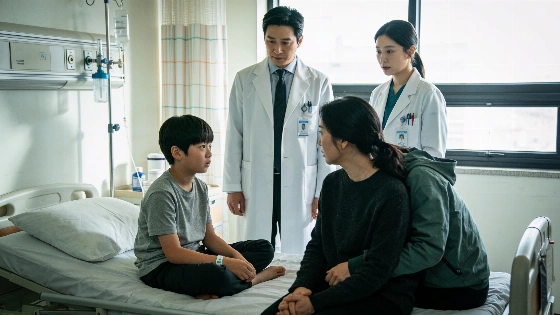
His case was tough from the start. Doctors found acute lymphoblastic leukemia after a routine checkup. His platelet count was low. His white blood cell count was high. He went through several rounds of chemotherapy. But the disease kept coming back. Tests always found leukemia cells. The risk never left. "Ji-hoon wasn’t responding well to chemotherapy," said Hahn Seung-min, his doctor at Severance Hospital. "We needed to consider a more intensive treatment."
By February 2026, the Lee Kun-hee Child Cancer and Rare Disease Project had funded 86 research initiatives, with nearly 28,000 children expected to receive support by the end of 2025.
Insurance barriers and the search for alternatives
Normally, doctors would try a hematopoietic stem cell transplant next. But Ji-hoon has Down syndrome. That made the transplant much riskier. He faced a higher chance of severe side effects and long-term problems like chronic graft-versus-host disease and infertility. The team looked for another way. CAR-T therapy was the best shot. This treatment takes a patient’s T cells, engineers them to attack cancer, and puts them back in the body. But there was a problem. Korea’s only approved CAR-T drug, Kymriah, was out of reach. National health insurance only pays for it if a patient has at least 5 percent leukemia cells in their bone marrow. Ji-hoon’s numbers were too low. Without insurance, the drug alone would cost 400 million to 500 million won ($295,000 to $368,800). That’s out of reach for most families. A Korean government policy briefing shows these insurance rules keep many children from getting advanced therapies unless they meet strict criteria.
The breakthrough came from a clinical study. Severance Hospital teamed up with Seoul National University Hospital. They built a plan together. Ji-hoon’s T cells were collected at Seoul National University Hospital. The cells were processed for CAR-T therapy. Two weeks later, he got the treatment at Severance Hospital. His care continued there. The Lee Kun-hee Child Cancer and Rare Disease Project paid for everything. This national program is backed by a 300 billion won donation from the late Samsung chairman’s family. It runs through 2030. The goal is to help children with cancer and rare diseases get advanced treatments, especially those who don’t qualify for insurance coverage.
Clinical results and the impact of collaboration
About a month after the CAR-T infusion, doctors checked Ji-hoon’s bone marrow. No leukemia cells. That was a first. Chemotherapy had never cleared them. "The leukemia cells had gradually declined during chemotherapy but never disappeared," Dr. Hahn said. "After CAR-T therapy, they were no longer detectable. Ji-hoon’s family was overjoyed when they heard the results."
One year later, Ji-hoon has avoided major complications. He’s slowly going back to school and daily life. The doctors are still careful. They will watch him for five years before calling it a cure. Bone marrow tests are set every three months. This case shows how clinical networks and donations can fill the gaps left by strict insurance rules. "A multicenter network that allows hospital-produced CAR-T therapy to reach children who need it — no matter where they live or which hospital treats them — can greatly improve access to care," said Kang Hyoung-jin, lead researcher at Seoul National University Hospital.
The Lee Kun-hee Child Cancer and Rare Disease Project, launched in 2021 with a 300 billion won donation from the Samsung chairman’s family, is scheduled to run until 2030 and supports diagnosis, treatment, and research for pediatric cancer and rare diseases nationwide.
For kids like Ji-hoon, clinical trials and hospital alliances are not just research. They are a lifeline. Dr. Hahn put it simply: "Some children could benefit from the treatment but fall outside the insurance criteria. Having a clinical trial as another option is something we’re grateful for, both for our patients and as doctors." This story matches the hurdles and breakthroughs seen in other advanced leukemia treatments, as reported earlier in the field.
What set Ji-hoon’s case apart was not just the science. It was the rare teamwork and targeted giving that made it possible. In a system where insurance rules can block life-saving care, this case proves that real collaboration and smart funding can break through. The lesson is simple. When rigid policies fail, only bold action across hospitals and donors can make a difference.