
FDA approval doesn’t guarantee that a cell or gene therapy will reach the people who need it. Even a year after regulators give the go-ahead, many of these treatments are still limited to a few specialized centers. Widespread access remains rare. According to Chris Learn, Senior Vice President and Head of Cell and Gene Therapy and Early Phase at Parexel, the real obstacles are set in motion years before any product reaches the market.
In 2024, the FDA emphasized during a dedicated webinar that sponsors of gene therapies using genome editing must proactively define manufacturing, design, and testing strategies in their initial IND submissions.
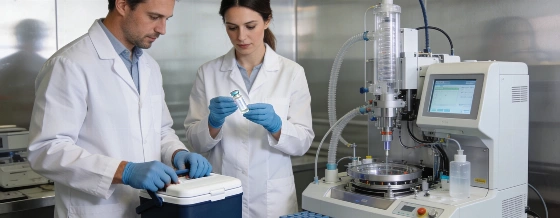
Regulatory, clinical, and manufacturing choices all influence each other. Regulatory alignment on the fastest viable path to approval shapes how quickly and widely a therapy can be offered. Clinical trial protocols that only include a few academic medical centers produce data from a narrow group of patients. Centralized manufacturing keeps therapies tied to specialized sites, limiting reach. That’s why distributed and point-of-care manufacturing models are getting more attention—they start to break this bottleneck.
Therapies that reach more patients are designed from the beginning for delivery outside the academic elite. That means writing protocols that real-world sites can follow, not just those with the most resources. Complex logistics and demanding protocols have left healthcare teams stretched thin, especially at academic centers already busy with cell and gene trials. Learn points to the need for real collaboration with sites: agreeing on workflows, checking if the schedule is realistic, and deciding early which endpoints matter most. Bringing regional and community hospitals into the process—and supporting them—broadens access, improves enrollment, and helps more eligible patients benefit. If operational burdens are ignored, therapies stay stuck in a limited-access loop.
In July 2026, the FDA proposed a new registration pathway for distributed manufacturing, allowing hubs and distributed production nodes to register as a single establishment if they maintain a unified quality system. This initiative is part of a broader push to modernize cGMP approaches for advanced, distributed, and point-of-care manufacturing, emphasizing science- and risk-based methods, batch definition, real-time monitoring, and lifecycle validation.
The lesson for the industry is clear. The future of access to cell and gene therapies will be decided not in the final months before launch, but in the earliest choices about manufacturing, trial design, and regulatory engagement. Sponsors who treat these as afterthoughts risk leaving their therapies stranded, no matter how promising the science. Those who plan for scale and access from the start will shape the next era of advanced therapies—and determine who actually benefits from these breakthroughs.
The FDA’s official MCMi events archive shows that distributed and point-of-care manufacturing have been recognized as distinct regulatory tracks since at least November 2022, with workshops outlining terminology, GMP expectations, and unique considerations for complex biologics. This shift reflects the agency’s growing focus on enabling broader, more flexible access models for advanced therapies. FDA MCMi events archive documents these early discussions.
Still, as of 2026, practical access to approved cell and gene therapies depends on networks of qualified treatment centers, not general hospitals. For example, the first FDA-approved gene therapy for Sanfilippo syndrome type A is only available through a select network of specialized centers, highlighting the ongoing infrastructure and operational barriers that must be addressed for truly broad access.