
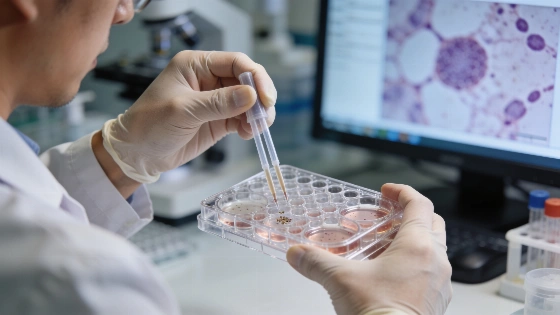
Doctors are now seeing immune cell engagers (ICEs) deliver lasting improvements in patients with systemic autoimmune diseases. These drugs work by pulling immune effectors right up to B cells and wiping out the populations that drive disease. For people who have run out of standard treatment options, ICEs are quickly becoming a serious contender.
ICEs are built to bring T cells, natural killer cells, γδ T cells, or myeloid cells into direct contact with B cells, plasmablasts, and even long-lived plasma cells. This approach lets doctors reach a level of B cell depletion that older therapies rarely managed, especially since the B cells that cause autoimmune disease are tough and come in many forms.
The international EBMT consensus now recommends considering CAR-T cell therapy for severe autoimmune diseases that remain active or progressive despite adequate standard therapy, ideally within clinical trials.
How ICEs are being built for autoimmune disease
ICEs have already proven their worth in blood cancers, where targeting B cell and plasma cell antigens has taught researchers about resistance, side effects, and the limits of cell depletion. But moving this success into autoimmune disease is not simple. The B cells involved in these diseases are more varied, and patients face extra hurdles like tricky drug levels, immune cell exhaustion, and the risk of cytokine storms.
Still, the first clinical results with CD19- and BCMA-directed T cell engagers look promising. Patients with systemic autoimmune diseases have shown steady improvement, hinting that ICEs can break through some of the barriers that stopped earlier treatments. Researchers are still working out the best way to pick targets, bring in the right effector cells, and keep patients safe. A recent medical review points out that BCMA-, CD19-, and CD20-directed bispecific T-cell engagers are now under study for their ability to hit B cells and plasma cells in autoimmune disease, but long-term safety and effectiveness are still open questions.
What comes next for ICEs in autoimmune disease
Scientists are now testing new ways to fine-tune ICEs for these tough cases. Some are focusing on CD8-biased T cell engagement, others on multispecific formats that add co-stimulatory signals, and some are trying to bring in natural killer or γδ T cells. The aim is to make responses last longer and cut down on side effects. If these efforts pay off, ICEs could offer a ready-made alternative to chimeric antigen receptor T cell therapies, which are still complex and costly to deliver.
Regulators and clinicians have already started to adapt rules and trial designs for cell therapies, as seen in the latest EBMT consensus. With their flexible design and broad potential, ICEs could soon push the field to rethink how immune reprogramming is handled in patients who don't respond to standard treatments.
In August 2026, Novartis temporarily suspended eight clinical trials of rap-cel in autoimmune and neurological diseases following reports of serious cases of hemophagocytic syndrome/macrophage activation syndrome after cell therapy. BMS also voluntarily paused studies of the competing zola-cel as a precaution.
The real story here is how engineering, immunology, and clinical know-how are coming together in ICE development. Early results are encouraging, but the real test will be whether these drugs can deliver safe, lasting, and scalable results for patients who have had few options. ICEs are picking up speed, and if ongoing research keeps delivering, they could change the way autoimmune diseases are treated.