Three people with glioblastoma saw their tumors shrink fast after getting a new kind of CAR T-cell therapy. This happened in a clinical trial paid for by Miles for Mary. The Marblehead group wants more results like this. That’s why its annual 5K and research seminar matter so much now.
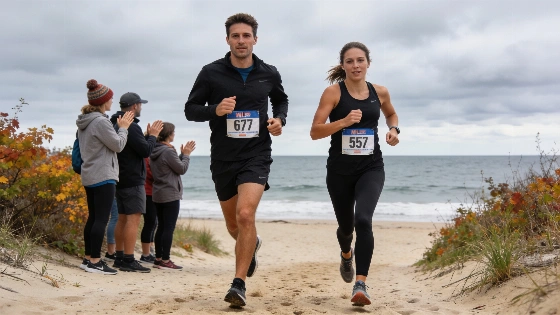
On Saturday, Oct. 17, Devereux Beach will fill with runners and walkers for the Miles for Mary 5K. This is the first of two big fall events to raise money for brain cancer research. The group has already given over $900,000 to the cause. Every dollar goes to treatment breakthroughs at Mass General Brigham Cancer Institute.
A 2026 review highlighted that a phase 1 trial of CAR T-cell therapy for recurrent high-grade glioma enrolled 65 patients, most of whom had recurrent glioblastoma.
This work is not just theory. Dr. Elizabeth Gerstner, a neuro-oncologist backed by Miles for Mary, will lead a seminar at Eastern Yacht Club on Monday, Nov. 2. Her team runs the INCIPIENT trial. They are testing a next-generation CAR T-cell therapy. It reprograms a patient’s own immune cells to fight glioblastoma. This cancer is one of the deadliest brain tumors.
Both events honor Mary Park and others lost to glioblastoma. Personal loss turns into action here. The 5K is part of the Marblehead Road Race Series. There are awards for top finishers and teams. Advance registration costs $35. Race-day signups are $40. You can register starting at 9 a.m. The run and walk begin at 10 a.m. The seminar costs $70 per ticket. Doors open at 5:30 p.m. Dinner is at 6 p.m. Dr. Gerstner speaks at 7 p.m. Tickets and donation details are at milesformary.com.
Can’t make it? You can still donate to brain cancer research at Mass General Brigham Cancer Institute through the same website. Every supporter counts. Every gift helps move the science forward.
Dr. Matthew Frigault has been a key figure in the cell immunotherapy program and the INCIPIENT study at Mass General Brigham, which has reported promising early results for CAR T-cell therapy in patients with recurrent glioblastoma.
This effort stands out for one reason. Community fundraising links straight to real clinical progress. The INCIPIENT trial’s first three patients saw their tumors shrink. Grassroots support is making a difference. Brain cancer research is moving forward. The Miles for Mary model proves local action can spark new treatments. This is not just a charity run. It’s a direct line to hope and new therapies.
The Mass General Brigham profile, updated September 29, 2026, shows the INCIPIENT trial is still active. Research on next-generation CAR T-cell therapy for recurrent glioblastoma continues. Other CAR T approaches, like local delivery to the brain, are also in early trials. Details are in a 2026 ScienceInsights review.