
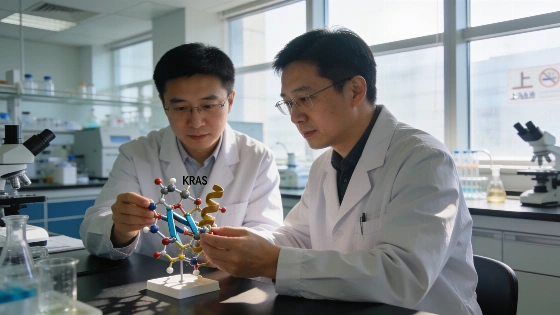
MSD just locked in global rights to SPR2015, a KRAS G12D inhibitor still in preclinical testing. The deal with Shanghai-based SciBrunch Therapeutics could cost MSD up to $2.13 billion. The company confirmed in an official press release that the agreement closed on September 28, 2026. MSD now holds exclusive rights to develop, make, and sell SPR2015 worldwide.
KRAS G12D is one of the most common cancer-driving mutations in pancreatic, colorectal, and lung cancers, making it a highly sought-after target for new oncology therapies.
SPR2015 is an oral drug meant to block the “on” form of KRAS G12D. This mutation is common in human tumors. MSD cites preclinical data showing SPR2015 stops KRAS G12D-mutant cancer cells from growing. It leaves normal cells alone. The drug showed antitumor effects in animal and patient-derived xenograft models. MSD calls SPR2015 a molecular glue candidate with nanomolar antiproliferative activity in KRAS G12D-mutant cell lines. The company has not shared detailed data or a timeline for clinical trials.
The RAS pathway is now a hot spot for new cancer drugs. Interest spiked after Revolution Medicines’ Rasonque (daraxonrasib) succeeded in Phase III pancreatic cancer trials. Rasonque doubled overall survival and became the first RAS(ON) inhibitor on the market. MSD’s move for SPR2015 is a direct answer to this shift. The company was reportedly considering buying Revolution Medicines for up to $32 billion. That deal never happened.
SPR2015 remains in the preclinical stage, and Merck has not disclosed a timeline for when the candidate will enter clinical trials. The deal adds another KRAS program to Merck’s oncology portfolio and reflects a broader push into Chinese biotech licensing.
China’s biotech sector is now a key player in global drug development. As reported earlier, Western pharma is not just looking for innovation in China. It is ready to pay top dollar for early-stage drugs that could change cancer treatment.
MSD’s pipeline push shows the company knows the blockbuster antibody era is fading. Keytruda’s days are numbered. MSD is betting that targeted drugs like SPR2015 will drive its next phase of growth. The size of this deal, especially for a preclinical drug, sets a new bar for risk and urgency in big pharma’s search for the next cancer breakthrough.