Lab work at Dana-Farber Cancer Institute just changed the game for inherited blood disorders. Scientists there have found a new biological switch that controls fetal hemoglobin. The key players are two proteins: BACH2 and NRF2. Their findings, published in Nature, point to a new target for treating sickle cell disease and beta thalassemia.
This pathway is different from the one current gene therapies use. Most treatments focus on BCL11A. The BACH2-NRF2 axis works on its own. That opens up the chance to combine both approaches for stronger results. The team ran a huge genome-wide study. They looked at people from Europe, Africa, and Asia. The data showed BACH2 acts like a brake on fetal hemoglobin. When BACH2 drops, NRF2 can turn on the genes that make fetal hemoglobin. That could help patients by replacing faulty adult hemoglobin.
Harvard Medical School notes that two FDA-approved gene therapies for sickle cell disease and beta thalassemia currently target BCL11A, making the BACH2–NRF2 pathway a significant alternative for future treatments.
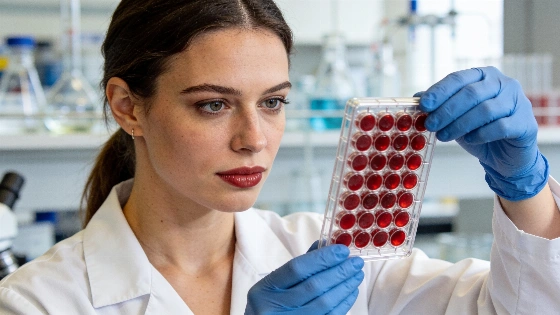
Lab tests backed this up. Blocking BACH2 in human red blood cell precursors led to a clear rise in fetal hemoglobin. This gives drug makers and gene editors a new way to try reactivating fetal hemoglobin. That strategy already changed the field with therapies like Casgevy. Vijay Sankaran, MD, PhD, from Dana-Farber/Boston Children’s Cancer and Blood Disorders Center, put it simply: “Nearly 20 years ago, human genetics pointed us to BCL11A and ultimately helped open a path to gene therapies such as Casgevy. What is exciting about this study is that the same approach is still revealing entirely new ways to turn fetal hemoglobin back on.”
The study’s reach was global. According to a Dana-Farber Cancer Institute report, scientists from Brazil, Italy, the Netherlands, Sweden, Tanzania, Thailand, and the UK all took part. The next step is clear. The team wants to see if hitting both BCL11A and BACH2-NRF2 at once works even better. They will also check safety and how well this new approach works in practice.
This kind of genetic mapping has already pushed other disease fields forward. The recent Harvard Medical School coverage shows how genetic breakthroughs can lead to real treatments. Here, the focus is on turning genetic findings into new options for people with sickle cell disease and beta thalassemia.
At present, the BACH2–NRF2 pathway has only been validated in preclinical laboratory models, and there are no clinical trial results or regulatory approvals yet for therapies targeting BACH2 in humans.
Right now, the BACH2-NRF2 axis is in the spotlight. The facts are simple. Careful genetic research keeps finding new targets. The pace is picking up. For patients and doctors, this could mean more precise and effective ways to fight inherited blood disorders. Change is coming.