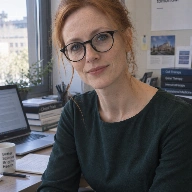
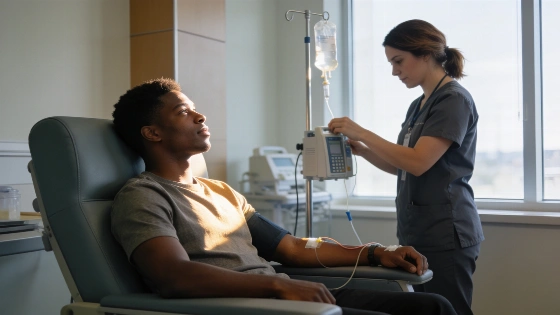
Ian Wilhite and Emily Schoeb are not waiting for the next big drug. Their own cells are the treatment. At The University of Kansas Cancer Center, this is happening now. Patients are seeing the results of gene and cell therapies in real time.
As of 2026, the FDA has expanded approval of CASGEVY to include children as young as 2 years old with sickle cell disease experiencing recurrent vaso-occlusive crises or transfusion-dependent beta thalassemia.
The steps are personal and complex. Blood is drawn. Stem cells are separated. The faulty gene is edited out. The fixed cells go back into Ian’s body. This process takes months. For Ian, it is already working. The pain that once ruled his days is now manageable. "It used to be so intense. It used to be daily. It could be at an eight or a nine or a 10, and I can already start to notice that it just feels like everything got turned down. It’s so much easier to deal with."
The CMS regulatory FAQ lists CASGEVY as one of only two gene therapies approved in the U.S. since December 2023 for certain sickle cell patients. CASGEVY costs $2.2 million per patient. LYFGENIA is priced at $3.1 million as of 2026. CASGEVY uses ex vivo CRISPR/Cas9 gene editing. It disables the BCL11A gene, which normally blocks fetal hemoglobin. This lowers sickle hemoglobin (HbS) and eases symptoms. But these gene therapies are only approved for the "classic" sickle cell type with two HbS alleles (HbSS). Other genotypes are not covered, as explained in a PediatricsNationwide review.
Emily Schoeb’s story is different but just as intense. She learned she had multiple myeloma right before turning 40. Her first thought was her 10-year-old daughter. The diagnosis hit hard. Standard care meant a bone marrow transplant and many drugs. Emily also joined a clinical trial for CAR T-cell therapy. Her own immune cells were reengineered to fight cancer. The result? Her two-year prognosis is now talk of a cure. Joseph McGuirk, DO, her doctor, calls CAR T-cell therapy "a stunning therapy that’s revolutionized the treatment of multiple myeloma."
In April 2024, CARVYKTI (cilta-cel) received expanded FDA approval in the U.S. for use in adults with multiple myeloma after at least one prior line of therapy, including a proteasome inhibitor and immunomodulator, and who are refractory to lenalidomide.
Emily’s view is clear. "I’m honored. Never in a million years would I have thought that getting a cancer diagnosis would be an honor … It’s revolutionary. I feel so lucky to have been diagnosed with cancer when I did, and to have access to The University of Kansas Cancer Center … I feel so lucky and honored and excited to continue to be a part of it. Whatever I can do to help to get the news out and to spread the word."
These are not rare stories. The University of Kansas Health System is building a reputation for complex care. It has sites across Kansas and Missouri. The focus on clinical trials and advanced therapies is part of a bigger shift in cancer care. Recent reported advances in gene-edited stem cell transplants for blood cancers show this movement is growing.
One thing is clear. The old model of one-size-fits-all cancer treatment is fading. Therapies now match the patient. The University of Kansas Cancer Center is not just treating disease. It is giving people their futures back. As gene and cell therapies move from trial to standard care, patients like Ian and Emily are no longer defined by their diagnosis. They are defined by what comes next.