
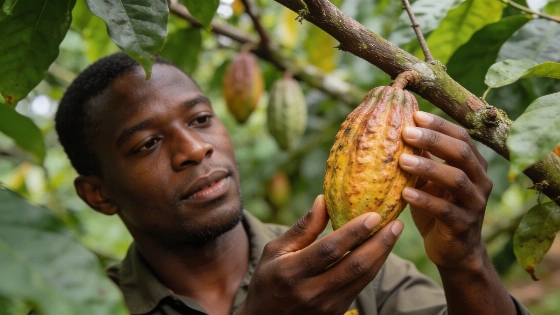
Cocoa prices keep climbing. African growers are bracing for a sharp drop in output. AgroNetica thinks gene editing can break this cycle. The US-based arm of BetterSeeds now plans to bring its transgene-free, gene-edited cacao to real-world fields. Their target is black pod disease, a problem that has hammered farmers for years.
The company uses a second-generation gene editing system from BetterSeeds in Israel. This platform is now tuned for cacao. AgroNetica says its edited cacao plants suffer about 42% less damage from Phytophthora, the fungus behind black pod disease. These results come from controlled tests. The key detail: the resistance trait passed to the next generation. That means the plants can be multiplied for future commercial use.
Black pod disease, caused by Phytophthora fungi, can destroy up to a quarter of the world’s cacao crop each year, resulting in losses worth more than $2 billion.
Gene editing speeds up cacao breeding
Old-school cacao breeding is slow. It can take decades to add new traits because cacao trees mature so slowly. AgroNetica claims its gene editing platform cuts this wait. The company says it can get results in the field and scale up faster. Right now, AgroNetica is focused on field trials and ramping up production. They aim to reach commercial scale by 2027.
CEO Ido Margalit says AgroNetica is using a CRISPR-based system. It silences genes but does not add foreign DNA. This method is meant to answer both regulatory and consumer worries about GMOs. The stakes are high in West Africa. Black pod disease is still a major threat there. Recent reports show that cloudy weather and little sun in Côte d’Ivoire and Ghana are making the disease spread faster and hurting bean quality. The Barchart market update covers these trends in detail.
AgroNetica is not stopping at disease resistance. The company is working on cacao plants that take up less heavy metal and even caffeine-free types. Its broader technology, already used in other crops, includes heat and drought tolerance, higher yields, and pods that ripen together for machine harvesting. These features could help cacao survive climate swings.
Reuters reported that cocoa prices reached record highs in 2024 due to persistent disease risk and supply stress, underscoring the urgent need for disease-resistant planting material in the global chocolate industry.
Supply chain and ethics under pressure
More than 60% of the world’s cacao comes from African countries now hit by climate and disease. The risk is real. El Niño is getting stronger. Disease keeps spreading. Chocolate makers are desperate for plants that can keep yields up in tough conditions. Margalit puts it simply: “The cocoa industry does not only have a supply problem – it has a plant problem.”
Better plants mean more than just more beans. AgroNetica says higher yields can help farmers avoid cutting down new forests. This matters as the EU Deforestation Regulation will soon require all cocoa imports to be deforestation-free. The company also links better yields and less crop loss to higher farm incomes. That could ease the money pressures that push families toward child labor in cacao regions.
Regulation and industry momentum
Europe is changing its rules. The EU’s new framework for gene-edited plants could make it easier to bring these cacao trees to market. AgroNetica is now working with chocolate makers, processors, and growers to get its gene-edited cacao into the supply chain. The company’s work builds on research from Penn State University’s Department of Plant Science. It also matches the kind of high-risk genetic work described by Divisi Africa in other crops facing climate threats.
AgroNetica’s plan is a direct answer to the mix of disease, climate, and ethical problems in chocolate. If its gene-edited cacao works as promised, the industry could see a real shift. Biotech could steady supply and change how cacao is grown and sold. The next chapter for chocolate may start in the DNA of the cacao tree.