
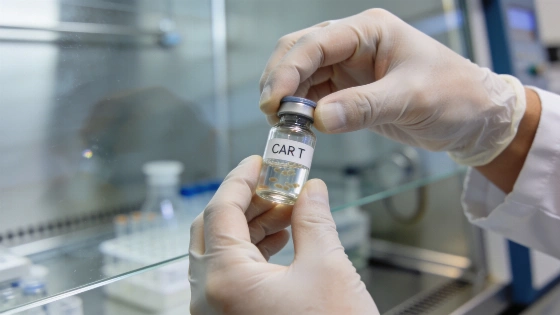
On November 8, 2026, CRISPR Therapeutics will present Phase 1 data for zugocabtagene geleucel (zugo-cel) at the American College of Rheumatology Convergence in Orlando, Florida. This is the company’s first clinical report on its allogeneic CAR T cell therapy, engineered with CRISPR/Cas9 to target CD19 in patients with systemic sclerosis that has not responded to standard treatments. The session, titled “Safety and Efficacy of Anti-CD19 Allogeneic Chimeric Antigen Receptor (CAR) T Cell Therapy Zugocabtagene Geleucel (zugo-cel) in Patients with Refractory Systemic Sclerosis,” is set for 10:30 a.m. ET during Poster Session A, according to the company’s official announcement.
CRISPR Therapeutics is based in Zug, Switzerland. The company is known for its work in CRISPR/Cas9-based therapies. Zugo-cel is being tested as a possible new option for autoimmune diseases that do not respond to current drugs. According to a Reuters company profile, CRISPR Therapeutics leads in gene-editing innovation. Zugo-cel is in early trials for rheumatologic, blood, and neurologic conditions. The company aims to push gene-edited cell therapies into new areas.
Zugo-cel is an investigational CRISPR/Cas9 gene-edited allogeneic CAR T-cell therapy targeting CD19, being studied across rheumatologic, hematologic, and neurologic autoimmune diseases.
Phase 1 trial and upcoming presentation
The Phase 1 results will be shown in Poster Session A (Abstract 0225) on November 8, 2026, at 10:30 a.m. ET. The company has not released patient numbers or detailed findings. Still, this marks a step for CRISPR-based cell therapies in autoimmune disease. Durable, targeted treatments are rare in this field. The company says the full poster will be posted on its website after the session for public access.
CRISPR Therapeutics made headlines before with CASGEVY® (exagamglogene autotemcel [exa-cel]), the first CRISPR-based therapy approved for sickle cell disease and transfusion-dependent beta thalassemia. Its pipeline now covers hemoglobinopathies, heart disease, cancer, regenerative medicine, and rare disorders. The company uses its SyNTase™ editing platform to improve gene correction.
Company positioning and industry context
CRISPR Therapeutics has worked with Vertex Pharmaceuticals to speed up its clinical programs. The move into autoimmune diseases with zugo-cel shows the company wants to use its gene-editing skills beyond blood disorders. This fits a wider industry push to bring CAR T and gene-edited cell therapies to diseases outside of cancer. Recent conference information confirms the ACR Convergence 2026 schedule and the growing focus on autoimmune targets.
External market coverage in late September 2026 indicated that key early readouts for CRISPR Therapeutics’ pipeline, including zugo-cel, were expected in the second half of 2026, placing this ACR disclosure within the company’s broader near-term clinical catalyst window.
The company is careful to note the limits of early-stage research. No safety or efficacy data have been shared yet. The true value of zugo-cel in systemic sclerosis will depend on results from ongoing and future trials. Phase 1 data can show proof of concept, but do not mean clinical validation or regulatory approval. That is clear.
By putting zugo-cel in the spotlight at a major rheumatology meeting, CRISPR Therapeutics signals its intent to shape the future of gene-edited cell therapies for autoimmune disease. The company is testing the limits of CRISPR technology in tough, treatment-resistant cases. But until real clinical outcomes are public, hope must be balanced with the realities of early development and strict standards for new therapies. The field is watching. Results will decide what comes next.