
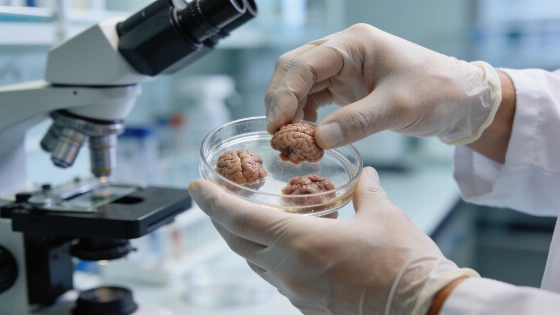
Lab mice with glioblastoma rarely get a break. In most studies, tumors outmaneuver every immune trick thrown at them. This time, Wistar Institute scientists forced the cancer to blink first.
Axitinib, used here in low doses to reduce tumor hypoxia, is already approved in clinical practice for advanced kidney cancer in combination with immunotherapy.
After axitinib, many T cells inside the tumor carried the 4-1BB receptor—a sign they were active but close to burning out. The team gambled on a second hit: a 4-1BB agonist to jolt these T cells back into action. The combination paid off. Median survival jumped to 42 days, and 40% of mice lived long term. When researchers reintroduced tumor cells, those survivors didn’t grow new tumors. The immune system had learned to remember and fight back, as confirmed in preclinical tests.
Previous studies have also explored activating 4-1BBL+ B cells via agonistic CD40 and IFN-γ to induce anti-tumor immunity in glioblastoma, highlighting a broader research trend focused on CD40/4-1BB signaling.
Veglia’s group is now moving toward clinical trials in glioblastoma patients. They are also testing whether axitinib can boost CAR T cell therapy, which has struggled in solid tumors. Hypoxia-driven immune suppression shows up in other tough cancers, including pancreatic cancer.
For a field used to setbacks, this dual strategy stands out. The Wistar team didn’t just slow the tumor—they exposed the machinery behind its resistance. Veglia summed it up: “There are no cures for glioblastoma, so this is an opportunity to make a real difference for patients.” The evidence remains preclinical. The next step is to see if these gains hold up in people.