Abu Dhabi is making a direct push to lead in global healthcare innovation. A top-level delegation has landed in China, looking to build new partnerships in artificial intelligence, medical robotics, cancer care, and drug development. The Department of Health – Abu Dhabi (DoH) is running the mission. This is not just a diplomatic visit. Abu Dhabi wants to close the gap between research and patient care by tapping into China's fast-growing biotech and AI sectors.
Abu Dhabi's AI-powered Patient Safety System now covers 100% of hospitals in the emirate, as well as long-term care, dialysis, and fertility centers, serving over 60,000 users—making it the first unified patient safety system of its kind in the region.
"China and Abu Dhabi share an ambition to ensure that scientific progress translates into better health," said Dr Noura Khamis Al Ghaithi, Undersecretary of DoH. She said the mission is about building real, lasting cooperation. The group is not traveling alone. Leaders from Cleveland Clinic Abu Dhabi, PureHealth, Abu Dhabi Investment Office (ADIO), Mohamed bin Zayed University of Artificial Intelligence (MBZUAI), and L’IMAD are all part of the trip. This shows Abu Dhabi is bringing its whole health ecosystem to the table.
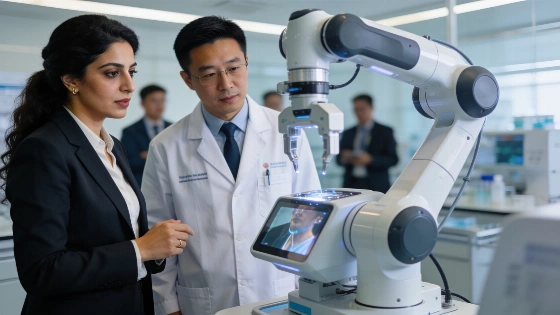
One main goal is to speed up the move from lab breakthroughs to real-world care. Abu Dhabi is counting on its strong health data systems and genomics programs to test new tech. China brings deep experience in biotech, advanced manufacturing, and AI. Talks are set to dig into how AI and robotics can fit into daily healthcare, how to catch diseases earlier, and how to get new treatments to patients faster. According to an official statement from the Department of Health – Abu Dhabi, the emirate is building a full ecosystem for prevention, genetic screening, fertility diagnosis, and advanced reproductive tech. This is part of a bigger plan to bring together clinical care, research, and health data.
In September 2026, Abu Dhabi launched the Programme for the Future of Reproductive Health, setting a target to increase IVF success rates from 59% to 80% by 2030 through the use of precision medicine, genomics, AI, and health data analytics. This ambitious KPI highlights the emirate's interest in leveraging international expertise, particularly from China, to advance biomedical innovation.
Abu Dhabi's approach is clear. It is not waiting for innovation to arrive from abroad. Instead, it is working to bring in, adapt, and use the latest technology by building direct ties with China's science and industry leaders. This marks a new phase of cross-border teamwork, where the real test is how fast research can help patients. If Abu Dhabi can turn these talks into real partnerships, it will raise its own healthcare standards and show how new medical hubs can jump ahead by working with global science and tech leaders.
As of September 21–22, 2026, there has been no separate public statement about any signed agreements with Chinese organizations during this trip. Only the fact of the delegation and the general plan for partnership talks have been confirmed by major news outlets and official sources.