
Researchers in Portugal have used artificial intelligence to tell chronic insomnia patients apart from healthy sleepers by reading their genes. The team at the University of Coimbra’s Center for Neuroscience and Cell Biology, working with the Centre for Innovative Biomedicine and Biotechnology and the University of Aveiro, found a unique pattern in the activity of “clock genes.” These genes control the body’s circadian rhythm. The discovery could change how doctors diagnose and understand insomnia.
Insomnia is common in Portugal. About 10% of people there have the chronic form. That means trouble staying asleep at least three nights a week for three months or longer. SAPO 24 recently confirmed this clinical threshold. Despite how widespread it is, insomnia has always been hard to pin down with lab tests. Diagnosis usually depends on what patients say about their sleep. That makes treatment tough.
A mutation in the MTHFR gene has been directly linked to chronic insomnia, highlighting the complex genetic interplay between metabolism, circadian rhythms, and sleep disorders.
Gene patterns and broken clocks
The Coimbra team used a bioinformatics model to study gene activity. They focused on at least three clock genes that set the body’s internal clock. These genes help control sleep, hormone release, and body temperature in line with day and night. The team found that people with insomnia had changes in these genes. These changes matched up with shifts in cortisol and melatonin levels. Nighttime body temperature was also higher. These are classic signs of a circadian system that is out of sync. A Cambridge University Press review lists BMAL1, CLOCK, CRY1, CRY2, PER1, PER2, PER3, and NPAS2 as key circadian genes used in sleep disorder research.
The worst insomnia cases—people sleeping less than six hours a night—showed the biggest gene changes. These patients also had higher body temperatures and more cortisol at night. Both make sleep harder. Ana Rita Álvaro, who leads the Sleep and biological rhythms in ageing and age-related diseases group at CNC-UC, said, “Understanding the clock gene profile of people with insomnia, and realising that this profile could serve as a biomarker for diagnosing insomnia more objectively, was one of the major steps forward in this study.” Portuguese news reports confirm that these gene changes were strongest in people with short sleep.
Machine learning sharpens diagnosis
The team took a new approach. They used machine learning on gene data. The result: they could tell insomnia patients from healthy people with 92% accuracy. The model even picked out different types of insomnia—short versus normal sleep—just from gene patterns. Details appear in a SAPO 24 report. This method has been used before for other sleep problems like sleep apnoea. Now, it is being used for chronic insomnia. The goal is clear. Doctors want to move from guesswork to diagnosis based on real biomarkers.
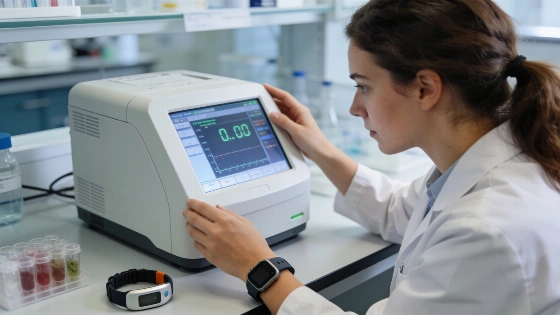
Wearable actigraphy devices tracked movement and temperature. They showed that worse insomnia meant more circadian rhythm problems. The study combined gene, hormone, and body data. This sets a new bar for sleep research. It is similar to the multi-layered analysis seen in recent work on brain disease mapping.
Clock genes operate in a transcription-translation feedback loop and are fundamental to the body’s approximately 24-hour rhythms of sleep, hormone secretion, and temperature regulation.
What this means for diagnosis and research
There are no lab markers for insomnia right now. This research could change that. Finding clock gene patterns as possible biomarkers may shift diagnosis away from patient surveys and toward lab tests. The study, published in Translational Psychiatry, shows how AI and bioinformatics can break open tough medical problems.
These results are not ready for clinics yet. But they lay the base for new tests and treatments. The project included partners from the University of Pennsylvania and the Sleep Medicine Centre of the Coimbra Local Health Unit. This is a global effort. As more evidence comes in, one thing is clear. Sleep medicine must move from checklists to gene-based tests. If not, millions will stay undiagnosed. The stakes are high.