Colossal Biosciences has hit a wall. The Dallas biotech startup once aimed for a mammoth-like calf by 2028. That date is gone. Now, the company says the earliest possible arrival is sometime in the 2030s. The reason is simple. The science is harder than anyone guessed.
Colossal’s de-extinction strategy focuses on gene editing in living relatives, such as the Asian elephant, rather than attempting to clone extinct animals directly.
Colossal is not trying to clone a real woolly mammoth. The company is working to engineer an Asian elephant with mammoth traits. That means thicker hair, cold resistance, and other features. To do this, scientists must find and edit the right genes. They compare ancient mammoth DNA to living elephants. This job is much more complex than they thought.
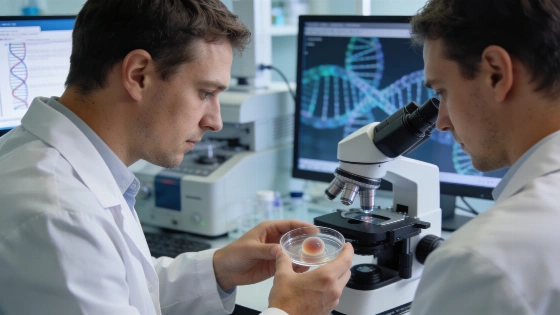
Artificial intelligence is now at the center. Colossal uses AI to scan huge genetic datasets. The goal is to spot which DNA differences matter for mammoth traits. But AI can’t do it all. CRISPR is still needed to make the edits. Then, the embryos must survive the long, risky process of reproductive technology. Every step brings new risks.
Independent coverage notes that Colossal’s earlier public target for a mammoth-like calf was 2028, but this has now been pushed back after the technical difficulty became clearer.
Colossal has shown it can edit genes in mice. The company made 38 “woolly mice” by adding mammoth hair genes. These mice help scientists see how mammoth traits show up. But mice are not elephants. The leap is huge. Colossal is also using its AI and CRISPR tools on other extinct species. The dodo, Tasmanian tiger, and moa are all on the list.
Colossal is not aiming for a perfect mammoth. The real animal vanished thousands of years ago. Only fragments of its DNA remain. If the project works, the result will be an Asian elephant with some mammoth-like features. It will not be a true mammoth. It will be a hybrid built for cold.
The biggest problems are not just in the genes. Embryo growth, elephant pregnancies, and animal welfare are all tough hurdles. Even with the right edits, a healthy calf is not guaranteed. The new timeline is a direct answer to these scientific roadblocks. This is not a retreat.
Colossal’s shift matches what happens in many big biotech projects. Early timelines often fall apart when real biology gets in the way. The debate over gene-edited rice in India shows the same gap between tech promise and biological reality.
Colossal is now open about the delay. The company is not overpromising. Its move to deeper AI analysis and more gene edits shows a growing respect for the challenge. For now, the mammoth is still out of reach. But the lessons from this work are already changing synthetic biology and genome engineering. The real story is not the delay. It’s the hard truth that biology is stubborn. Progress takes time.