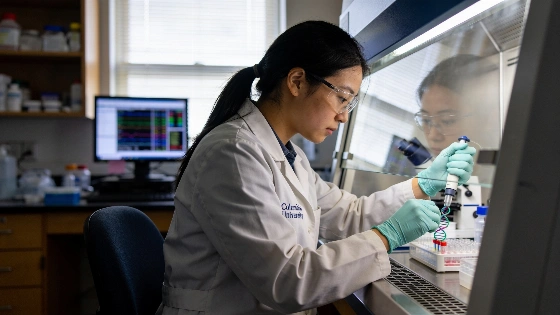
Lingting Shi, a postdoctoral researcher at Columbia University, is taking aim at glioblastoma by stripping away the tumor's defenses one gene at a time. Her work zeroes in on T cells—the immune system's frontline soldiers—and the fine line they walk between attacking cancer and sparking autoimmune flare-ups. For Shi, the lab is a battleground where every experiment chips away at the armor of one of the most lethal brain cancers.
Shi uses gene editing to knock out genes in glioblastoma cells, hunting for the signals that, when blocked, leave tumors open to T cell attack. This isn't just theory. By disabling specific genes, she is building a map of weak spots that could help immunotherapy break through where standard treatments have failed. Still, according to current search results, there are no independently confirmed clinical trials or official regulatory rulings that back up the outcomes of Shi's program. No primary source has published hard technical data on the exact genes or patient groups involved.
Among emerging preclinical strategies for glioblastoma, CRISPRa-based reprogramming of tumor cells into dendritic-like cells has been described and tested in mouse models, but this remains experimental and is not an approved therapy for patients.
Computational tools reveal T cell patterns
Shi's reach goes beyond the lab bench. She has built computational tools to sort out the tangled states of T cells, especially in chronic lymphocytic leukemia. These methods are already helping her spot which T cell groups are ready to kill cancer and which ones might fuel disease instead. She applies the same approach to graft versus host disease, where her analysis points to gut-resident T cells as main drivers of post-transplant problems.
Her research fits into a larger push to decode the immune system's double-edged nature. As previous reporting shows, new molecular profiling can flag cancer risk years before symptoms appear. Shi is taking it further by engineering the immune response itself. In treating graft-versus-host disease, doctors still rely on systemic corticosteroids as the first line for moderate and severe cases. For steroid-refractory acute and chronic forms, ruxolitinib is used, according to Acibadem International.
Personal drive and mentorship
Shi's motivation is personal as well as scientific. She was diagnosed with an autoimmune condition in college, which gives her research a sense of urgency. Now, she mentors five students in her own 'lab within a lab' and is laying the groundwork to run her own independent group.
Despite advances in gene editing and immunotherapy research, no independently verified data on the number of samples, specific genes targeted, or quantitative T cell cytotoxicity enhancements from Shi's work have been published in accessible scientific literature.
By combining hands-on experiments with computational analysis, Shi is helping to set a new pace for immune system research. Her work is pulling back the curtain on how T cells can be tuned up or held back, with real consequences for cancer immunotherapy and autoimmune disease management. The field is looking for more scientists who can bridge the gap between lab work and data science, and Shi is showing that this mix is not just possible—it is already changing the way researchers approach the immune system.