
Engineered living drugs are no longer a distant idea. They are changing how doctors treat cancer and autoimmune diseases. At the Tang Prize Masters Forum, three leaders in cell therapy—Steven Rosenberg, Michel Sadelain, and Carl June—spelled out the breakthroughs and the regulatory hurdles that are shaping medicine’s future.
Amtagvi, the first TIL therapy, received accelerated FDA approval in February 2024 for unresectable or metastatic melanoma after prior therapy, marking a historic regulatory milestone for cell-based immunotherapies.
This is not slow progress. The forum’s biggest news: fourth-generation armored CAR T cells, loaded with cytokines like Interleukin 18, are now bringing full remissions to patients who relapsed after standard CAR T therapy. In a phase I trial, just three million engineered cells—a hundred times less than usual—grew inside patients and wiped out stubborn lymphoma. This is not theory. It is happening in real clinics.
The road to these results was rough. Rosenberg recalled that, decades ago, immunology textbooks barely mentioned lymphocytes. In his clinic, he saw patients reject both kidney transplants and metastatic tumors, or sometimes have liver metastases disappear on their own. These cases forced a new way of thinking. Rosenberg’s team at the National Cancer Institute pulled out tumor-infiltrating lymphocytes (TILs) and showed they could bring lasting remissions in metastatic melanoma. This work led to the 2024 FDA approval of Amtagvi. But most cancer deaths come from solid epithelial tumors. Rosenberg’s group went further, engineering T cells to target each patient’s unique neoantigens and shared mutations like p53 and KRAS. The result: some patients with advanced, previously untreatable cancers are now in full, long-term remission.
The 2026 Tang Prize Masters Forum in Taipei introduced the laureates as pioneers whose work not only revolutionized blood-cancer treatment but also opened new possibilities for solid-tumor and autoimmune disease therapies, aligning with the event's 'living therapeutics' theme.
Artificial intelligence is speeding things up. Carl June’s group used large language models—ChatGPT, Claude, Gemini—to search single-cell transcriptome data and research papers. They found GPNMB as a target across many cancers. CAR T cells built to attack GPNMB wiped out tumors in preclinical tests. Working with David Baker’s lab and AlphaFold 3, they designed new protein binders for tough targets like mesothelin, raising the effectiveness of treatments in pancreatic cancer models.
Regulation is still a big roadblock. Sadelain described how the FDA’s refusal to allow low-dose cyclophosphamide conditioning set back CAR T trials by two years, even though animal studies showed it was needed for cell survival. He called for separate rules for investigator-led trials and pointed to China’s fast single-center approval as a model for quicker progress. The panel agreed: current oversight cannot keep up with science.
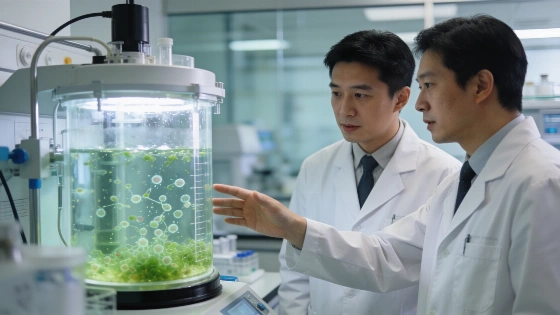
Manufacturing is the next fight. Sadelain wants to move production out of big central plants and into hospitals, using automated bioreactors that can process cells in a single day. June said the real goal is to deliver genes directly inside the body, using viral vectors or lipid nanoparticles, so cell therapy becomes a simple injection. Taiwan’s new regenerative medicine laws and its lead in semiconductor manufacturing could help it build closed, fully automated robotic bioreactors. This could make living drugs available to more people around the world.
Clinical details still matter. Wen-Chien Chou asked June why CAR T cell persistence does not always mean leukemia remission. June said only fully humanized antibody fragments avoid immune rejection, but even when engineered cells vanish, the first wave of tumor killing can spark the body’s own immune response through epitope spreading. Pan-Chyr Yang brought up the problem of immune-cold, EGFR-mutant lung cancers common in East Asia. June and Sadelain answered: only multi-functional armored CAR T cells, which deliver local cytokines and target AI-found antigens, can turn cold tumors into zones where lymphocytes can enter.
For anyone watching the rise of engineered cell therapies, the forum’s message is clear. Synthetic biology, AI, and precision manufacturing are breaking down old limits on what can be treated. As reported earlier, even tumors that once hid from the immune system are now being exposed by new combinations. The main obstacles now are regulatory and logistical, not scientific. The next step will be won by those who can automate, scale, and deliver these living drugs safely and everywhere. Static therapies are on the way out. Living, evolving medicines are here, and the industry must keep up or fall behind.