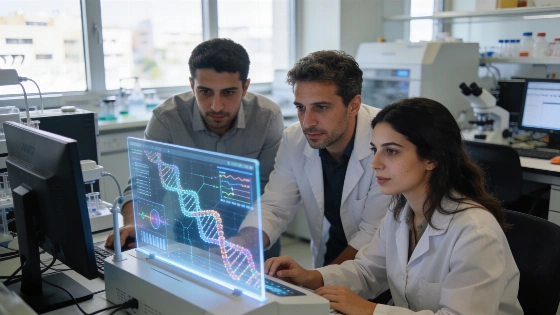
Nvidia is putting its weight behind Israel as the base for its next push in AI for medicine and science. The new Applied AI Architecture group, now working out of Nvidia’s Tel Aviv development center, has a clear goal: use artificial intelligence to spark real breakthroughs in genomics, drug discovery, and basic science. This goes well beyond routine tech upgrades.
Nvidia’s Israeli Applied AI Architecture group is structured to pursue long-term scientific research that feeds into future Nvidia systems, with a scope extending beyond immediate product development.
This group stands out for its long-term approach. Instead of chasing quick product launches, it is focused on building scientific ideas that could later change Nvidia’s global systems. The team mixes in-house research with close work alongside Israel’s network of AI and medical research centers, plus international partners.
One major project is already running. Nvidia is working with Sheba Medical Center and Mount Sinai Hospital in New York to build a Genomic Foundation Model (gFM). This model is meant to explore the 98% of the human genome that is still mostly unknown. The aim is to find new ways to prevent disease, improve diagnostics, and personalize medicine. Ynetnews reports that the project is targeting the huge part of the genome that remains a mystery, setting it up as a platform for future medical discoveries.
Industry coverage of the Lilly-Nvidia collaboration highlights the goal of connecting wet-lab biology with computational AI workflows to shorten drug-discovery cycles, with some reports describing a 'continuous learning system' approach.
The group is also a main player in GENMAT, a €6 million EU Horizon project that brings together companies, universities, and research institutes across Europe. The goal is to build AI tools for finding and designing new materials for industries like aviation and pharmaceuticals.
Nvidia’s growth in Israel is more than just a technical step. It is a strategic move that could affect the country’s economy. As the Tel Aviv center takes on a bigger role in global R&D, the impact could reach exports, GDP, and government income, especially if Nvidia keeps growing in the region.
Nvidia expects strong growth for the rest of the year. By setting up the Applied AI Architecture group, the company is making it clear: it wants Israel to be a global center for core AI research in medicine and science. This is a long-term investment in the people and infrastructure needed for the next wave of biomedical discovery. Nvidia is challenging the current way things are done. If the group meets its goals, it could change how fast and how far science moves in the years ahead.