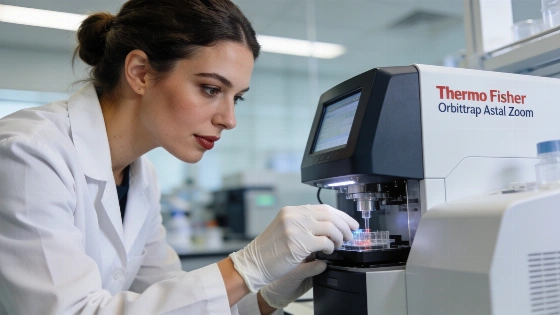
Australian researchers now have a national lab built to uncover how some cancer cells survive treatment and cause relapse. The University of Sydney’s new ACRF Single Cell Cancer Proteomics Laboratory is a $4.2 million project aimed at breaking down cancer and immune cells one by one. The goal: to find new ways to target the cells that keep coming back after therapy.
The ACRF Single Cell Cancer Proteomics Laboratory is the first facility of its kind in Australia dedicated specifically to single-cell cancer proteomics and is positioned as a national resource for researchers across the country.
Minister for Medical Research David Harris MP opened the lab. He called it a “powerful example of what can be achieved when philanthropy, government and academia work together.” The Australian Cancer Research Foundation and the University of Sydney, with help from the Cancer Institute NSW, have set up the lab as a national resource for researchers everywhere in Australia.
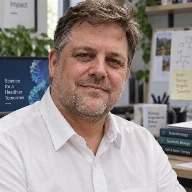
The challenge is clear. Chemotherapy can kill most cancer cells, but some—known as “persister cells”—survive, regrow, and spread. The lab’s mission is to break down these cells at the protein level and find out what makes them tough against drugs. “Not all cancer cells are the same, even within the same tumour,” said Associate Professor Larance. “Understanding these differences is critical if we want to develop more effective and personalised treatments.”
The laboratory is located within Sydney Mass Spectrometry at the Charles Perkins Centre and brings together research in cancer, immunology, proteomics, genomics, clinical science, and data science through collaborations with the University of Sydney, Melanoma Institute Australia, Chris O’Brien Lifehouse, NSW Health Pathology, and Royal North Shore Hospital.
Professor Leanne Redman, Academic Director of the Charles Perkins Centre, pointed to the lab’s potential to show how metabolic health and cancer are linked. Obesity is tied to at least 13 types of cancer. With this lab, researchers can study single cancer cells and their proteins in detail, opening new ways to see how metabolism, diet, and exercise affect cancer growth and treatment response.
The lab’s model brings together experts from the University of Sydney, Melanoma Institute Australia, Chris O’Brien Lifehouse, NSW Health Pathology, and Royal North Shore Hospital. By opening the lab to researchers across Australia, the University hopes to speed up cancer drug development and put Australia at the front of the fight against tough cancers.
ACRF CEO Kerry Strydom summed it up: “Ultimately we hope that everyone in Australia will have the opportunity to benefit from advances in cancer research and we’re proud to support the University of Sydney and its research partners as they advance the collective understanding of difficult-to-treat cancers.”
This lab is more than a collection of high-tech machines. It is a step toward building the tools needed to beat cancer’s most stubborn cells. By focusing on the small differences between single cancer and immune cells, Australian researchers can now ask—and answer—the questions that could shape the next wave of precision cancer treatment. The real test will be whether this new access to single-cell proteomics leads to therapies that finally stop cancer from coming back.