
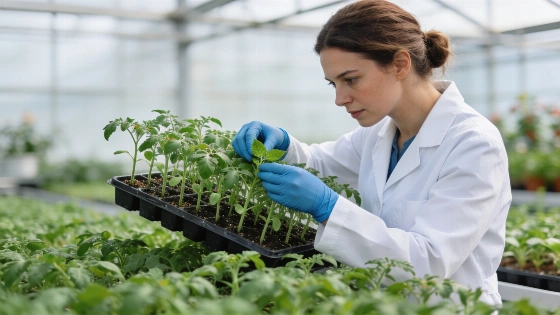
Plant breeding is moving fast. Gene editing now lets scientists change crops with a speed and accuracy that old methods can’t touch. As droughts, heat, and new diseases get worse with climate change, farmers need crops that can handle these threats. The real danger isn’t using gene editing—it’s waiting too long to put it to work.
More than 90% of future NGT plants are expected to fall under the NGT-1 category, making them subject to a lighter regulatory regime without full risk assessment or mandatory labeling up to the final product.
For years, plant breeders have used slow, labor-heavy methods—crossing, picking, even blasting seeds with radiation—to get better crops. Gene editing can do in a few years what used to take a decade, if it was possible at all. The CRISPR/Cas system, for example, works like a ‘find and replace’ tool for DNA. Scientists can target and change exact spots in the genome. Old breeding is like firing a shotgun and hoping for a hit. Gene editing is a sniper’s shot—clean and direct.
Many people still think gene-edited crops are just another kind of GMO. But NGT 1 gene editing can make changes that are exactly the same as those that happen on their own in nature. You can’t tell from the DNA if a mutation was natural or made in the lab. This fact is why the EU treats NGT 1 plants differently from regular GMOs, as long as the changes could also happen naturally. The legal rule, as explained by ULC Luxembourg analysis, is that NGT-1 plants count as equal to those from classic breeding if their changes could have come about naturally or by selection.
Legal challenges to the new EU NGT regulation have already reached the courts, with agricultural and environmental organizations filing lawsuits alleging violations of the precautionary principle and obligations under the Cartagena Protocol.
Gene editing isn’t just a lab tool anymore. In Japan, a gene-edited tomato that helps manage high blood pressure is already sold in stores. The US grows high-oleic soybeans with better fats. India has made rice that can handle salty soil and drought—direct answers to climate stress.
The EU’s rules draw a clear line. NGT 1 covers changes that could happen naturally or by classic breeding, like swapping a single DNA letter. NGT 2 covers bigger edits that go beyond what nature would do, and these still face the same strict checks as old GMOs. This isn’t just about rules—it’s about science, and it decides how fast new crops can reach farmers.
For growers, gene editing means crops that are easier to raise, tougher against disease, and less reliant on chemicals. Drought- and disease-resistant plants can cut costs and help meet tighter residue rules. Shoppers could get food with better nutrition, taste, and fewer pesticides. Gene editing can also improve local crop types, so countries don’t have to give up their own varieties to big global companies. Hungary, for example, has the know-how to make NGT 1 crops but needs the right rules to get them to market in the next two years.
Gene editing isn’t a cure-all. It won’t solve every problem from climate change, but it’s a strong tool. Without it, old breeding will fall behind as the climate and new diseases change faster. The evidence is clear: letting gene editing move forward isn’t just a chance—it’s a must for the future of farming in Europe and beyond. Waiting is not an option. Building a resilient, sustainable food supply depends on using this technology now.