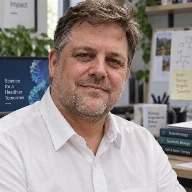
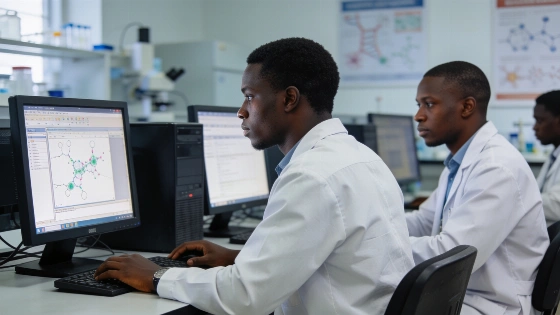
On October 6, 2026, the University of Lagos opened its doors to a new kind of science workshop. This was not just another seminar. Life scientists gathered at the Professor Bola Oboh Learning Hub to get hands-on with bioinformatics and computational biology. The goal was clear: give researchers the tools to solve Nigeria’s toughest research and development problems. UNILAG is not waiting for change. It is making it.
Attendees came from across the life sciences. They learned the basics, tried out new tools, and saw how bioinformatics works in real research. The workshop’s theme, "Bioinformatics for Life Scientists: Basic Principles, Tools and Applications," was more than a slogan. It was a challenge to adapt and deliver real results.
In the 2027 Times Higher Education World University Rankings, Nigeria became the most widely represented country in Sub-Saharan Africa, with 29 universities included—five more than the previous year.
Leadership bets on computational biology
Professor Matthew Ilori, Deputy Vice-Chancellor (Academics and Research), opened the event for Vice-Chancellor Professor Folasade Ogunsola. He pointed to Professor Bola Oboh, the former DVC (Academics and Research), as the driving force behind the Bioinformatics and Computational Biology Learning Hub. Ilori did not mince words. Technology is changing research, teaching, and learning. UNILAG wants its academics ready to meet national needs with new skills.
Ilori also mentioned UNILAG’s place in the 2027 Times Higher Education World University Rankings. But according to Premium Times, UNILAG was not alone at the top. University of Lagos, University of Ibadan, and Covenant University all landed in the 801–1000 global band. Covenant University led the national order of presentation. Still, UNILAG stood out for research quality, scoring 67.8 points—higher than any other Nigerian university, as reported by The Nigeria Education News. Other scores included teaching (21.2), research environment (20.8), industry engagement (31.3), and international outlook (45.6).
Building a research ecosystem for the future
Professor Bola Oboh, now the namesake of the Learning Hub, called the workshop a launchpad. She wants researchers to question old ideas and push into new areas of biology. Her vision is bold. She wants to open doors that did not exist before.
Professor Ganiyu Oyetibo, Dean of the Faculty of Life Sciences, called the event a turning point for bioinformatics and computational biology at UNILAG. He credited Oboh for starting the Learning Hub. He also revealed plans to grow it into a full Professor Bola Oboh Bioinformatics and Computational Biology Institute. This is not just about new buildings. The plan includes new courses and international partnerships to boost research and training.
The improved national representation in the 2027 rankings was not solely due to UNILAG’s performance; five additional Nigerian universities entered the global list for the first time, while Covenant University advanced from the 1001–1200 band in 2026 to the 801–1000 band.
The workshop gave participants both the basics and real practice with bioinformatics tools. This fits UNILAG’s bigger goal: turn research into real solutions for society. The approach is bold. It matches the kind of high-stakes science seen in the UK’s push for biotech-driven wildlife adaptation, as reported earlier.
Editorial perspective
UNILAG’s push into bioinformatics is not just about academics. It is a strategy to keep Nigerian research in the global race. The university is building skills and setting a standard for African science. The big question: will these efforts lead to steady research output and real solutions for Nigeria? Time will tell. For now, UNILAG is making bold moves. Others should pay attention.